







HeritageUncovered by Joydeep Biswas
Hyderi Manzil
An unassuming house in Beliaghata where Gandhi spent 15 August 1947, fasting for peace while the rest of the country celebrated. It is open as a small museum.
Beliaghata

Every para has places, stories and traditions that make it special. Share the hidden gems and local memories that deserve to be discovered.
Community Discoveries
An unassuming house in Beliaghata where Gandhi spent 15 August 1947, fasting for peace while the rest of the country celebrated. It is open as a small museum.
Every December the whole precinct strings up lights, the carols start, and the community feast spills into the lane. It is the oldest Christmas party in the city.
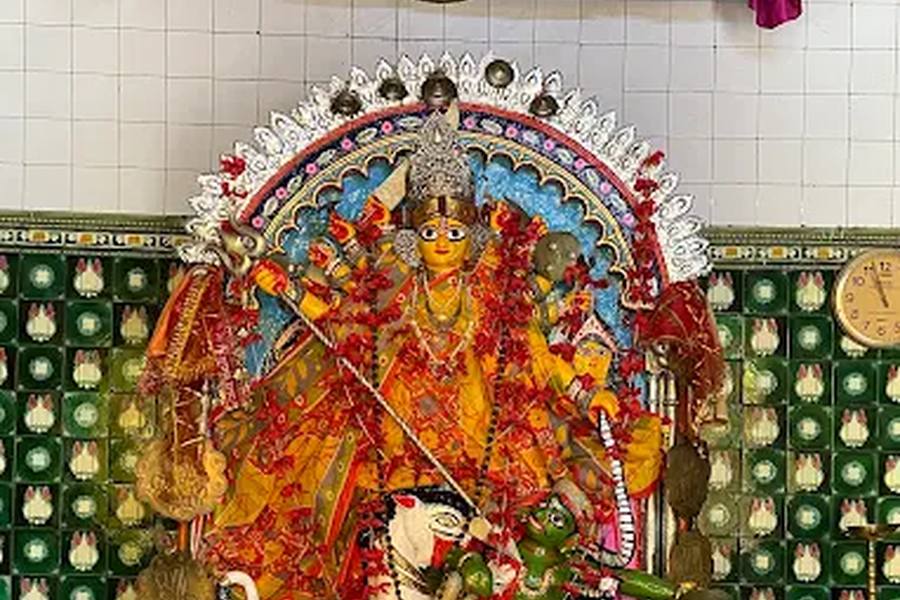
Chitpur Road was here before British Calcutta was. It linked villages and pilgrimage routes long before anyone drew a city on this bend of the river, which makes it one of eastern India's oldest roads still in use.
It was the heart of India's jazz scene in the sixties and it still has a band most nights. Order the old Continental dishes and you are back in that Park Street.
From Prinsep Ghat you can walk along the Hooghly all the way to Babughat. Go at sunset, when the Vidyasagar Setu lights up behind the boats.
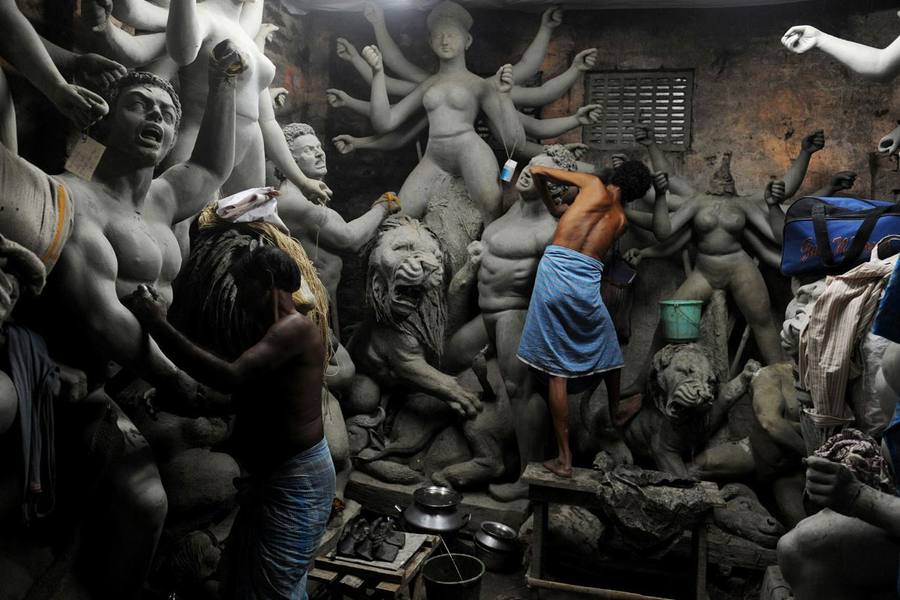
Every year thousands of idols made in these lanes are crated up and shipped to London, New Jersey, Sydney, Singapore. The Durga you see in a pandal abroad almost certainly started here.
Get here by five in the morning. Handcarts, sacks, tea stalls and traders speaking every Indian language, all before the rest of the city has woken up.
From Zeeshan to the small dhabas near the seven-point crossing, this is where most of my friends come for biryani after ten at night, especially during Eid.
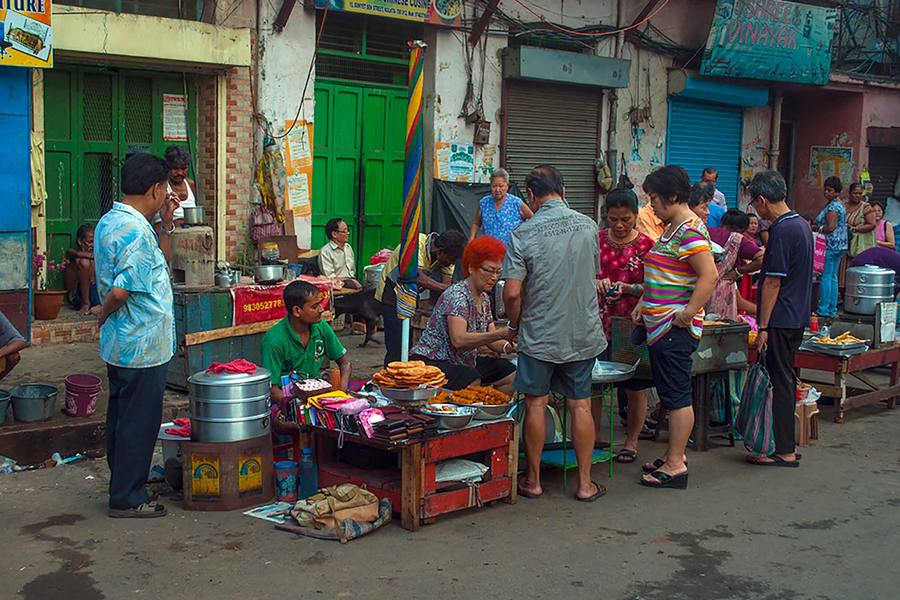
Edward Tiretta was an Italian architect who owned land here in the late 1700s. The name stuck, but the neighbourhood became India's first Chinatown instead - an Italian street known the world over for Chinese food.
Few people outside know that Metiabruz is one of the biggest ready-made garment hubs in India. Thousands of small tailoring units work out of homes and lanes here.
Every December the queue outside Nahoum's Jewish bakery inside New Market goes around the corner for fruit cake. It has been the city's Christmas ritual for over a century.
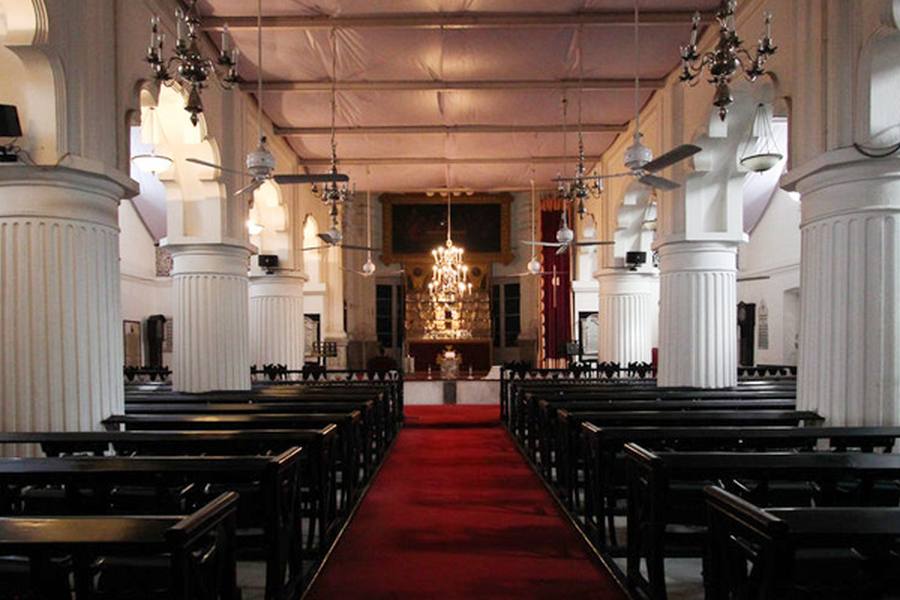
It was Armenian money that financed the warehouses and trade routes that turned Calcutta into a port. Walk the lanes off the church and you are walking through what is left of that commercial network.