November 16, 2026
Amar Para, Kidderpore & Hastings
Dwaipayan.Ghosh@timesofindia.com
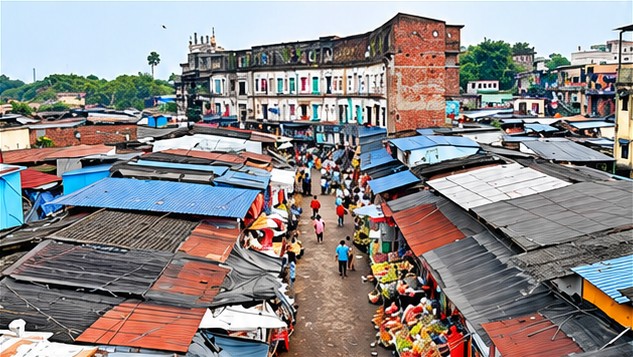
Along the western edge of the Hooghly, two contiguous neighbourhoods — Kidderpore and Hastings — continue to embody Kolkata’s layered past. Their histories — one rooted in working-class cosmopolitanism and zamindari heritage, the other as a colonial military enclave — tell a story of integration. Today they remain among the city’s most layered quarters, where temple bells, azaan and church chimes share the same air.
The making of a name
Kidderpore’s history predates the formal founding of Calcutta. East India Company records from 1709 mention police chauki and riverine activity here. One theory links the name to Khizarpur, after the Islamic saint Al-Khidr (Khizr), while a second traces it to Kedarpore, an epithet of Shiva associated with the Bhukailash temples. A third credits the names of Colonel Robert Kyd or an engineer named Lord Kyde who supervised the lock gates. Historian P Thankappan Nair noted that the place appeared on 17th-century Hooghly maps long before Kyd’s arrival.
In the 18th century, the Ghoshal family, led by Joynarayan Ghoshal, dewan to Governor Harry Verelst, established the Bhukailash Rajbari. The estate’s twin Shiva temples still house Raktakamaleshwar, an 11-ft single-stone Shivalinga regarded as one of Asia’s largest.
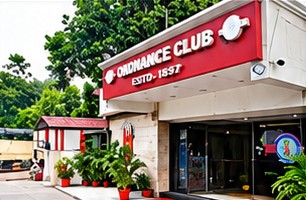
Just north of Kidderpore lies Hastings, an area initially used as a Muslim burial ground before being designated as “Coolie Bazaar” to house labourers constructing Fort William. Named after Warren Hastings, the first governor-general of Bengal, the locality evolved into a residential township for officers of the ordnance and commissariat departments. It houses historic institutions like Ordnance Club and Royal Calcutta Turf Club.
The transformation
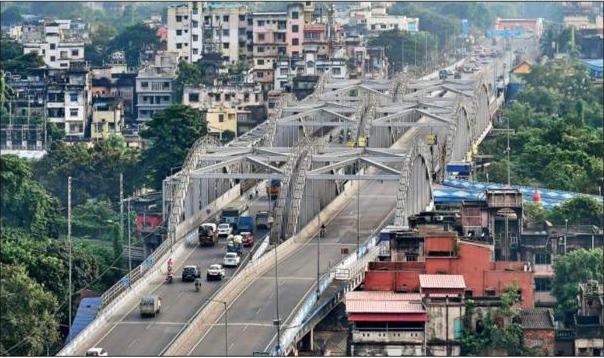
The decisive modern transformation began in 1884 when Kidderpore was chosen for the port of Kolkata’s wet docks. The docks opened in 1892. King George Dock (later Netaji Subhas Dock) followed in 1928. These facilities turned the area into a magnet for labourers from Bihar, Odisha, UP, as well as international seafarers. Iconic engineering that survives includes Kidderpore Swing Bridge (circa 1892) and the double-leaf bascule bridge opened in 1966. The collapsible Nazrul Setu once allowed ships to enter the Garden Reach docks, while Fancy Market became an informal global marketplace that persists in diluted form.
Poets, nawabs and a second Lucknow
The area’s literary claim is formalised in the constituency name Kabitirtha — “pilgrimage of poets”. Michael Madhusudan Dutta studied at Kidderpore School; Hemchandra Bandyopadhyay and Rangalal Bandyopadhyay lived and wrote here; Womesh Chandra Banerjee, first president of Indian National Congress, lived in the area until dock acquisition displaced his family. Metiabruz and the edges of Kidderpore received a cultural boost in 1856 when the last Nawab of Awadh, Wajid Ali Shah, was exiled here. He arrived at Bichali Ghat with musicians, chefs and artisans, creating a “Doosra Lucknow”.
Coexistence of faiths
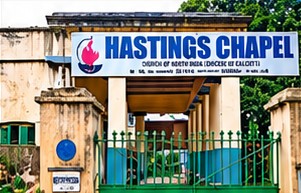
Religious architecture maps the neighbourhood’s pluralism with Bhukailash’s Shiva temples standing near Shahani Begum Masjid and Solana Masjid, along with St Stephen’s Church, St Barnabas’ Church and Hastings Chapel. Chinese, Parsi and Jewish footprints further enrich the area’s mosaic. Durga Puja pandals coexist with Jagannath Temple and Ramzan nights at Babu Bazaar market.
Culinary crossroads
The vibrant lanes of Kidderpore offer traditional Bakkarkhani bread, sutli kebabs and haleem alongside heritage bakeries and traditional Bengali sweet shops.
Military ground to modern gateway
Hastings boasts of landmarks like Fort William, Lascar War Memorial and Ordnance Club, and street names — Rakery Road, Parsonage Road, Chapel Road — still evoke an English village. RCTC once made the race course a stage for colonial high society and polo. In 1888, Hastings received one of the city’s new police section houses. Today, the neighbourhood funnels traffic onto Vidyasagar Setu. Both neighbourhoods remain densely populated, economically anchored by the port, markets and the city’s enduring mix of people.
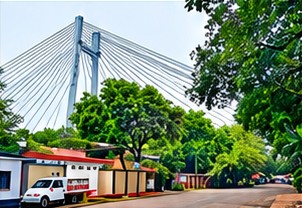
Tell us about the hidden gems of your para. Scan the QR code or visit www.amarpara.in
Pic: Kamalendu Bhadra
Deep dives into Kolkata's most fascinating paras.
Amar Para, Gariahat & Hindustan Park
Amar Para, Mudiali
Amar Para Tala Park
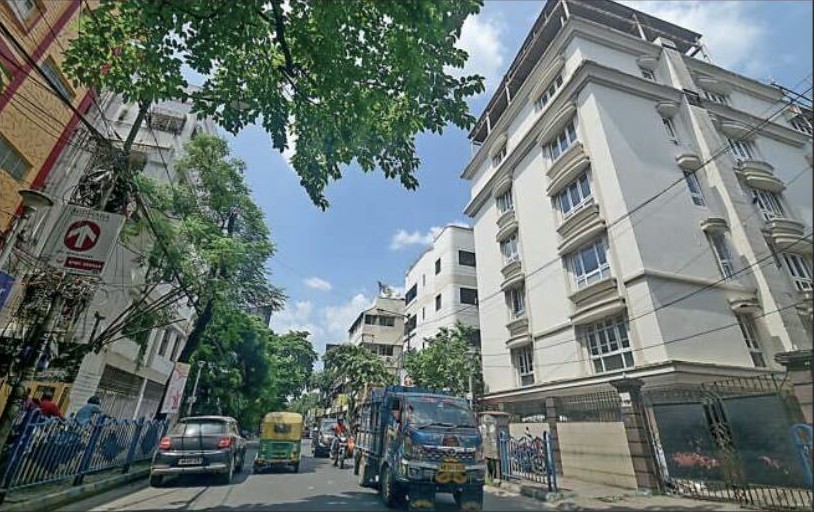
Amar Para New Alipore
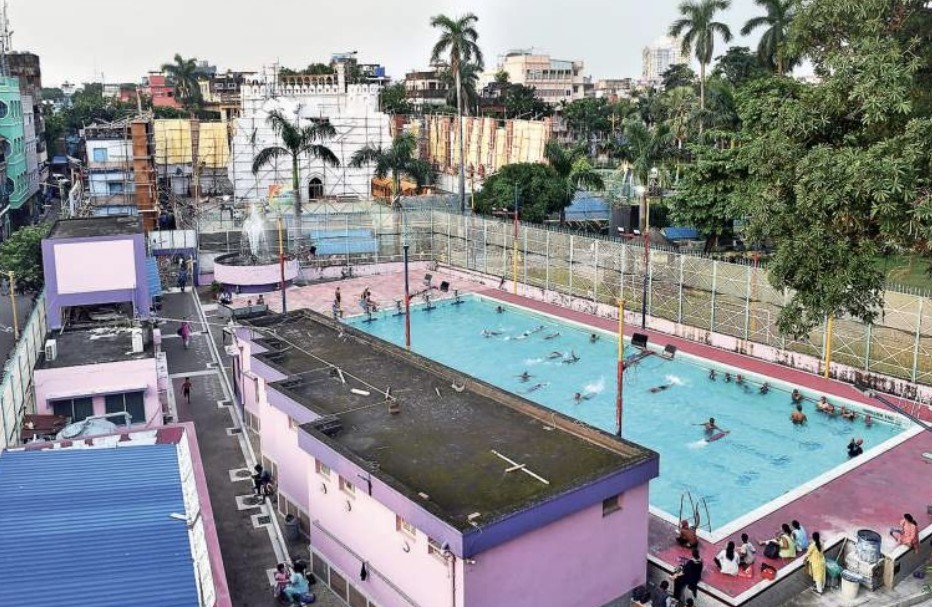
Amar Para, Lebutala
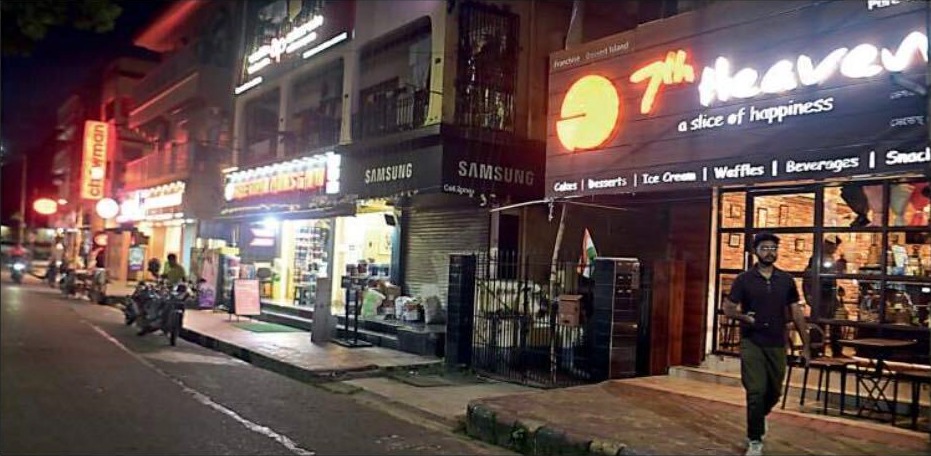
Salt Lake, Swimming Pool
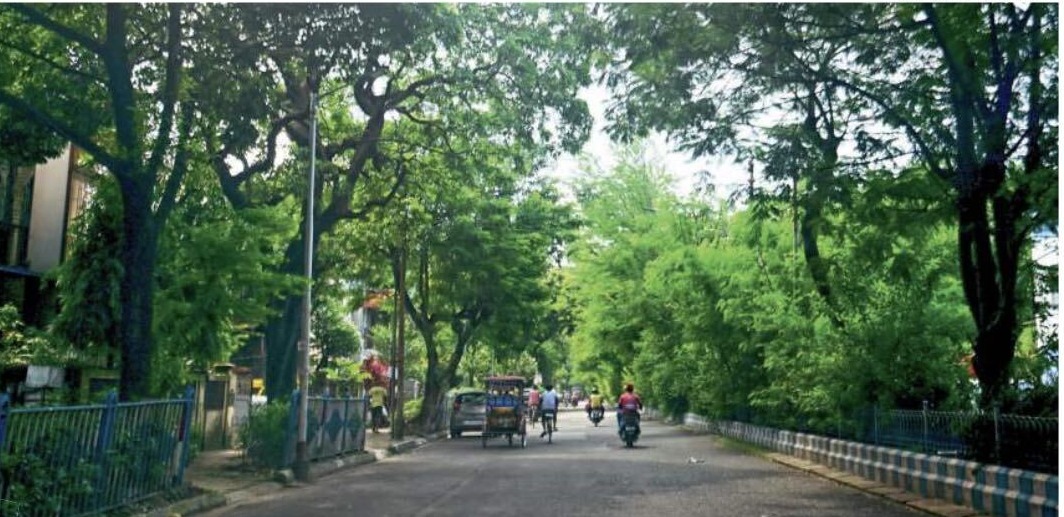
Amar Para Golf Green
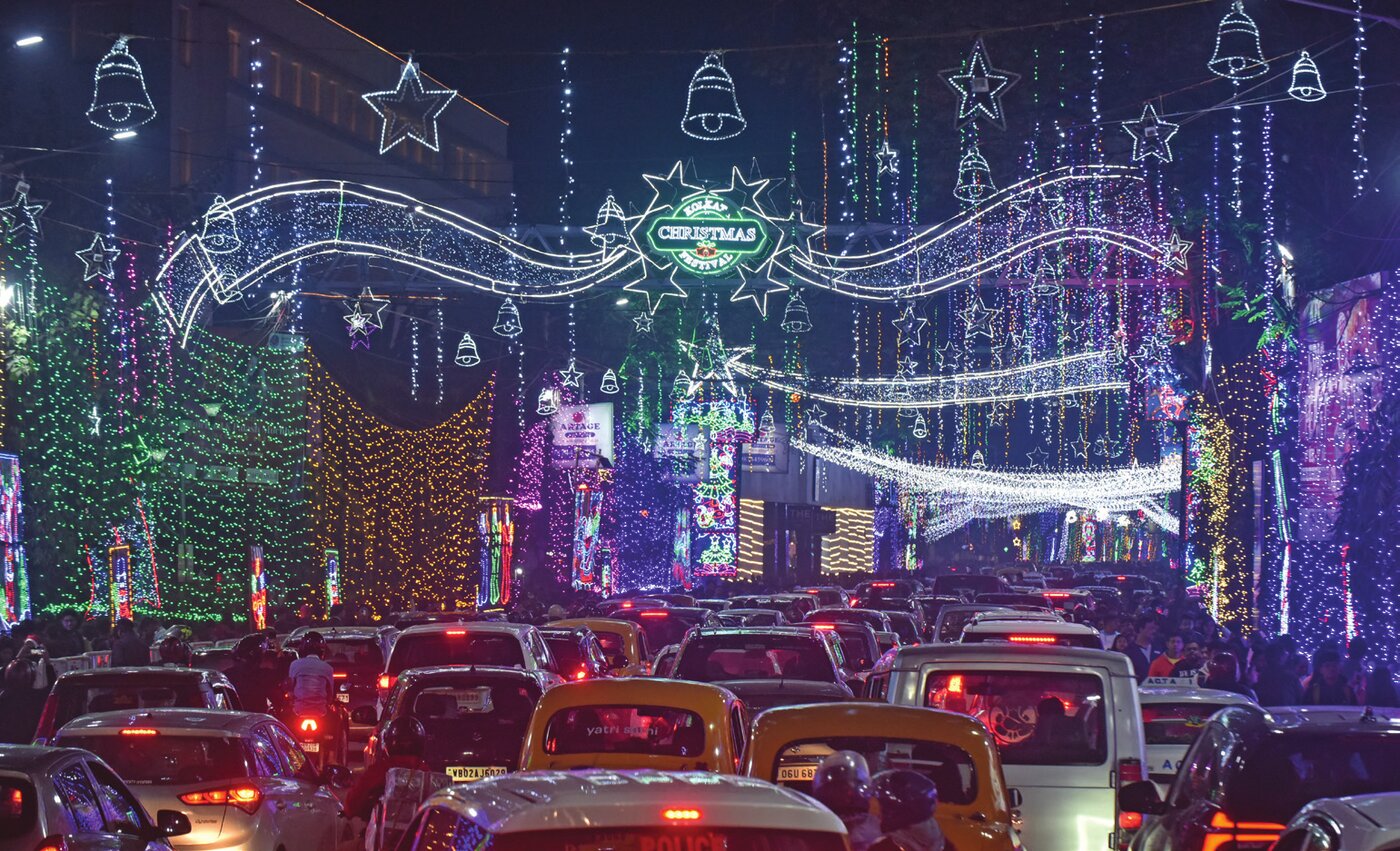
Amar Para Park Street
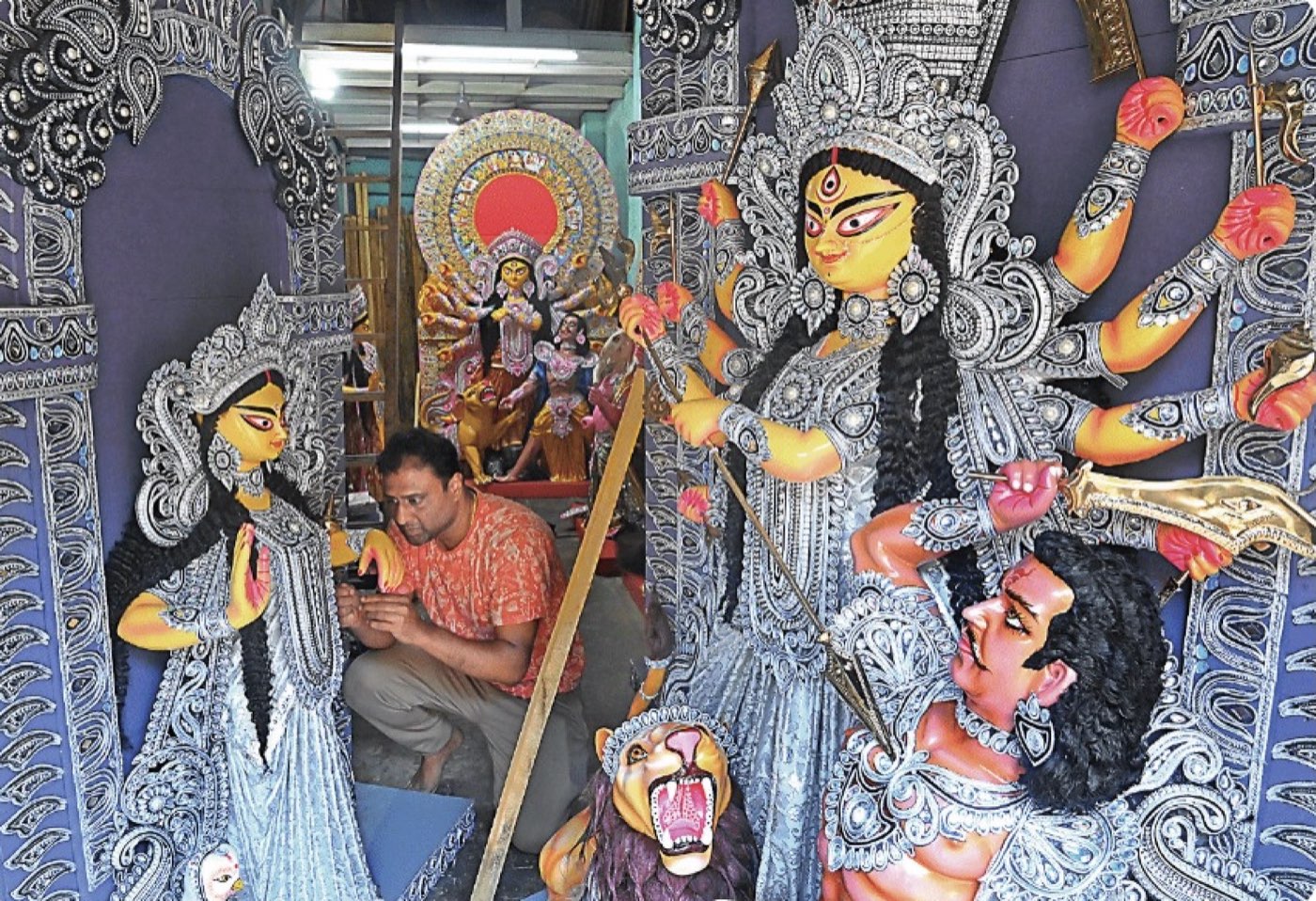
Kumor Para, Kumartuli
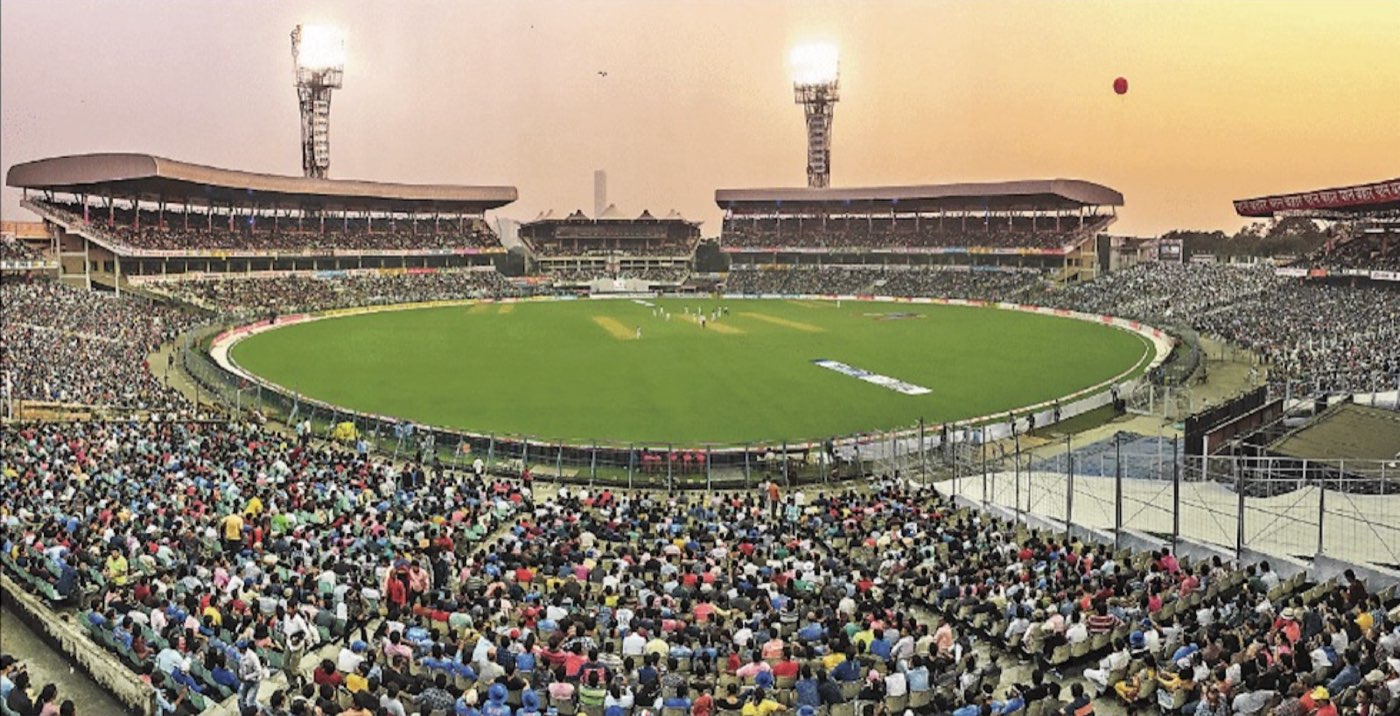
Khelar Para, Maidan
Foreign Para, New Market
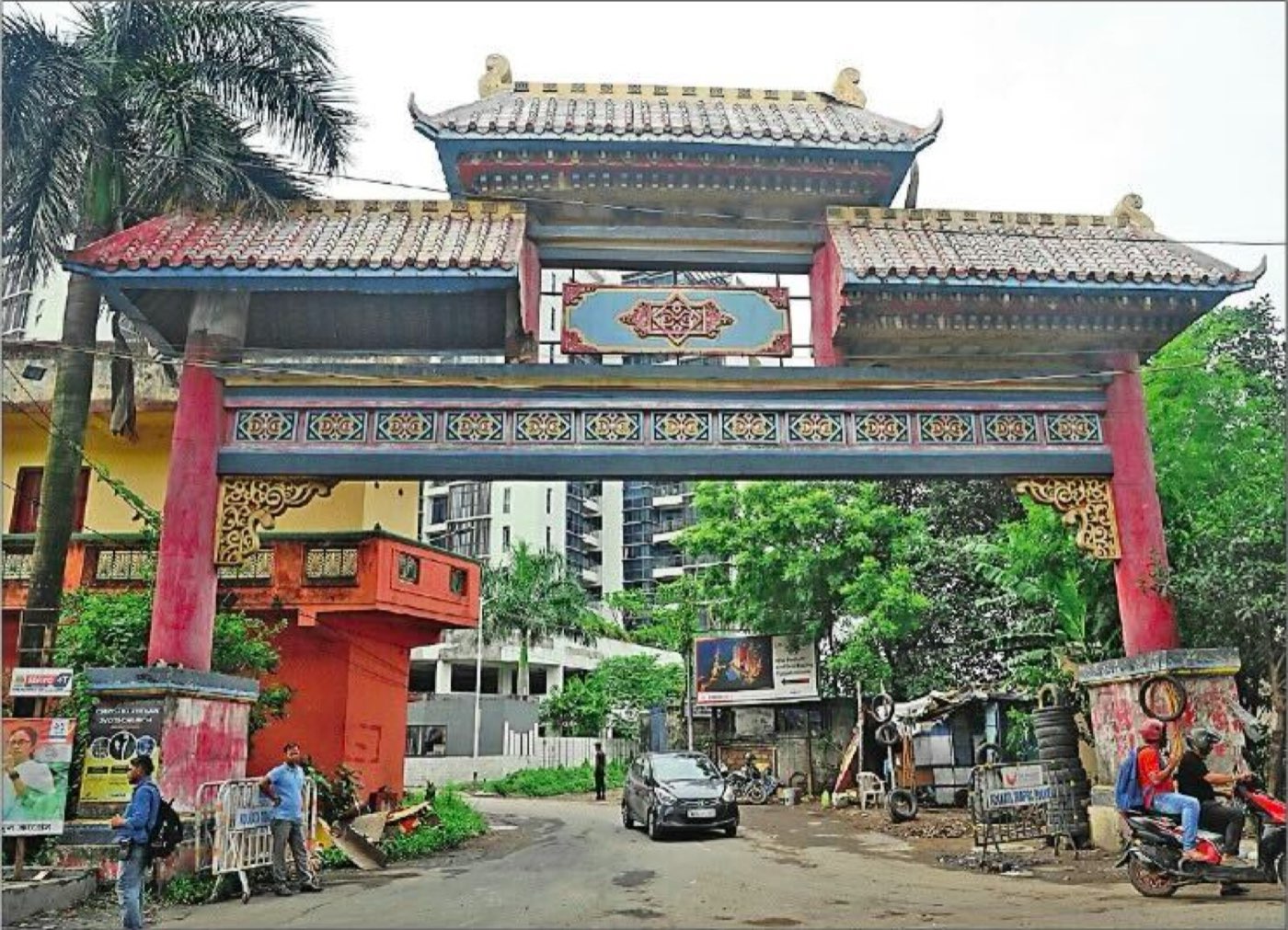
China Para, Tangra
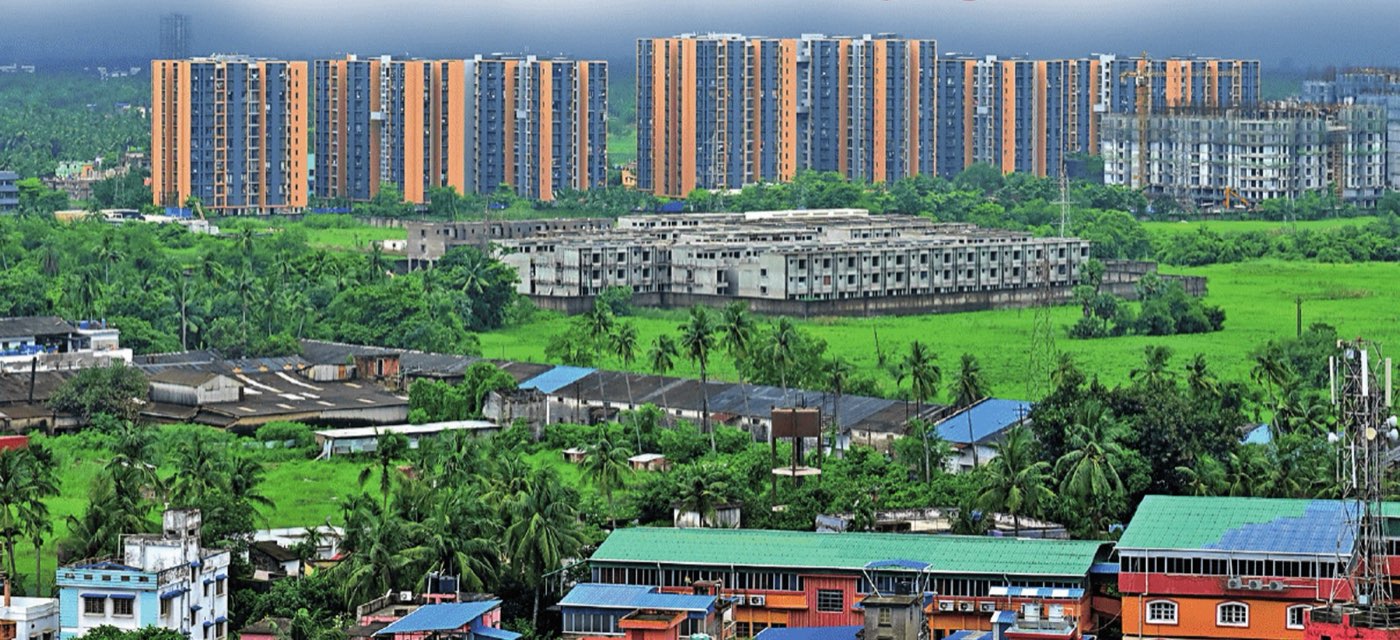
MBA Para, Joka
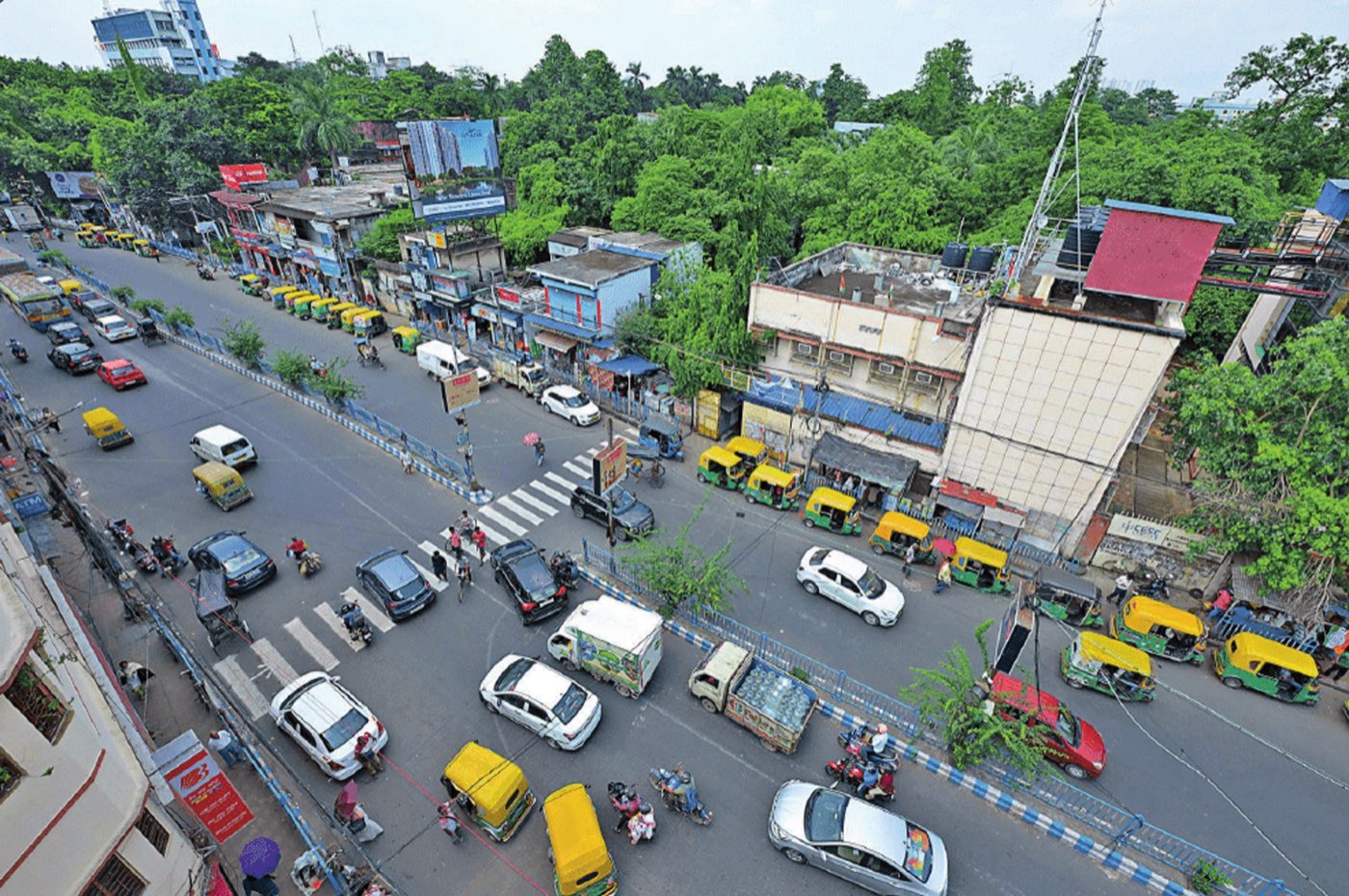
Living Para, Jadavpur
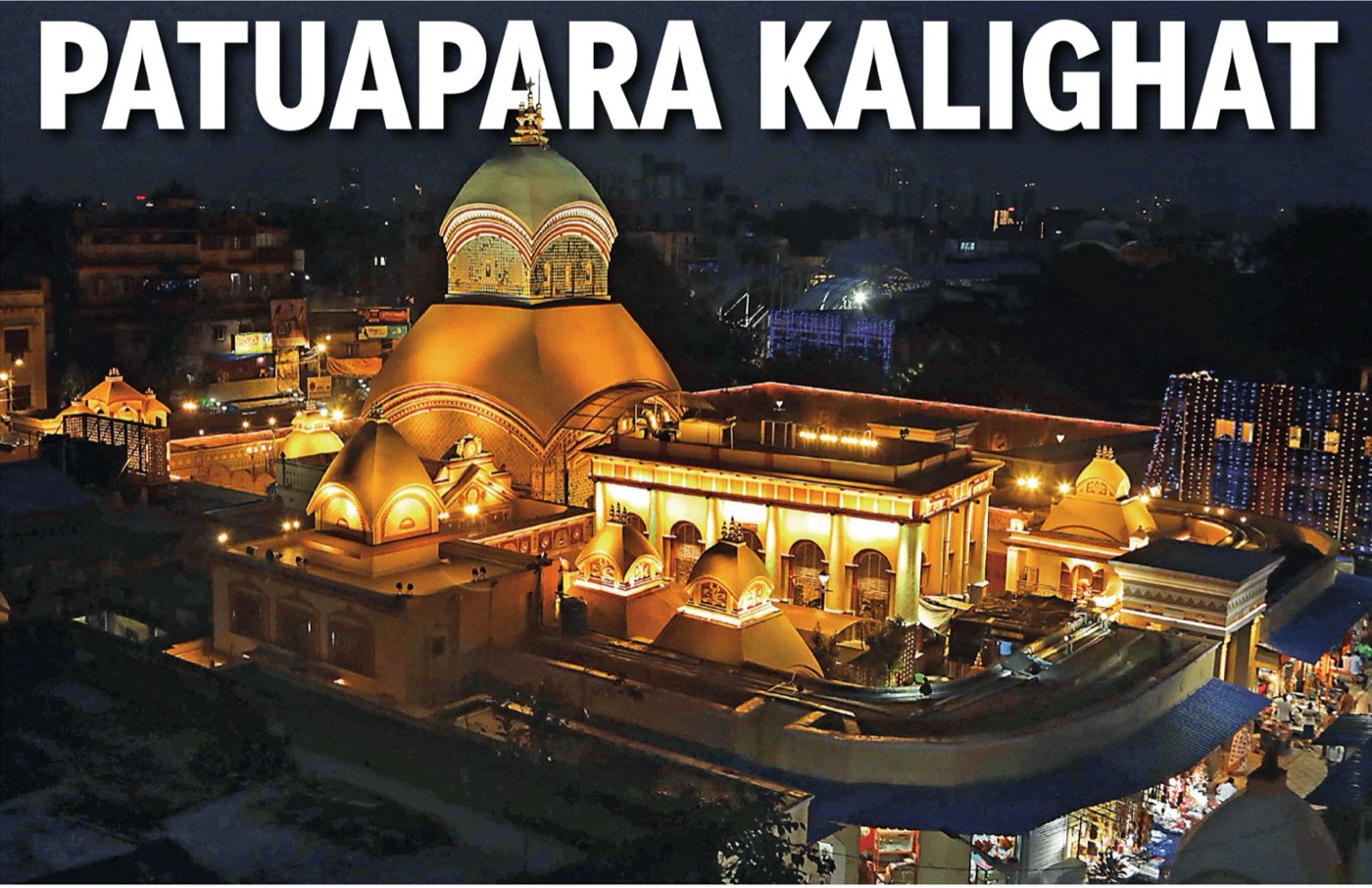
Patuapara, Kalighat
James Long Para, Behala
Cosmo Para, Salt Lake
Housing Para, Kalindi
Happening Para, Kasba
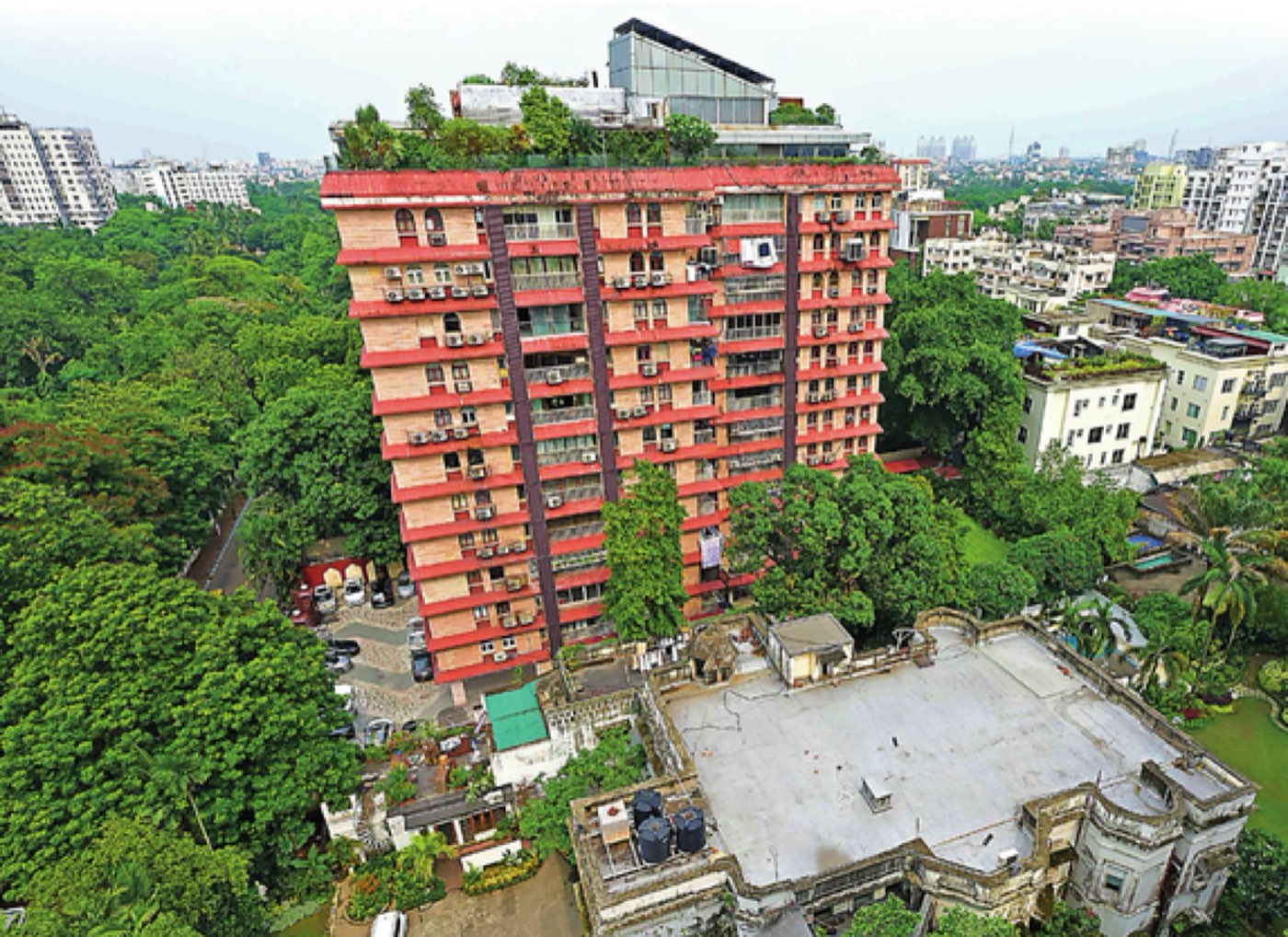
Bungalow Para, Alipore
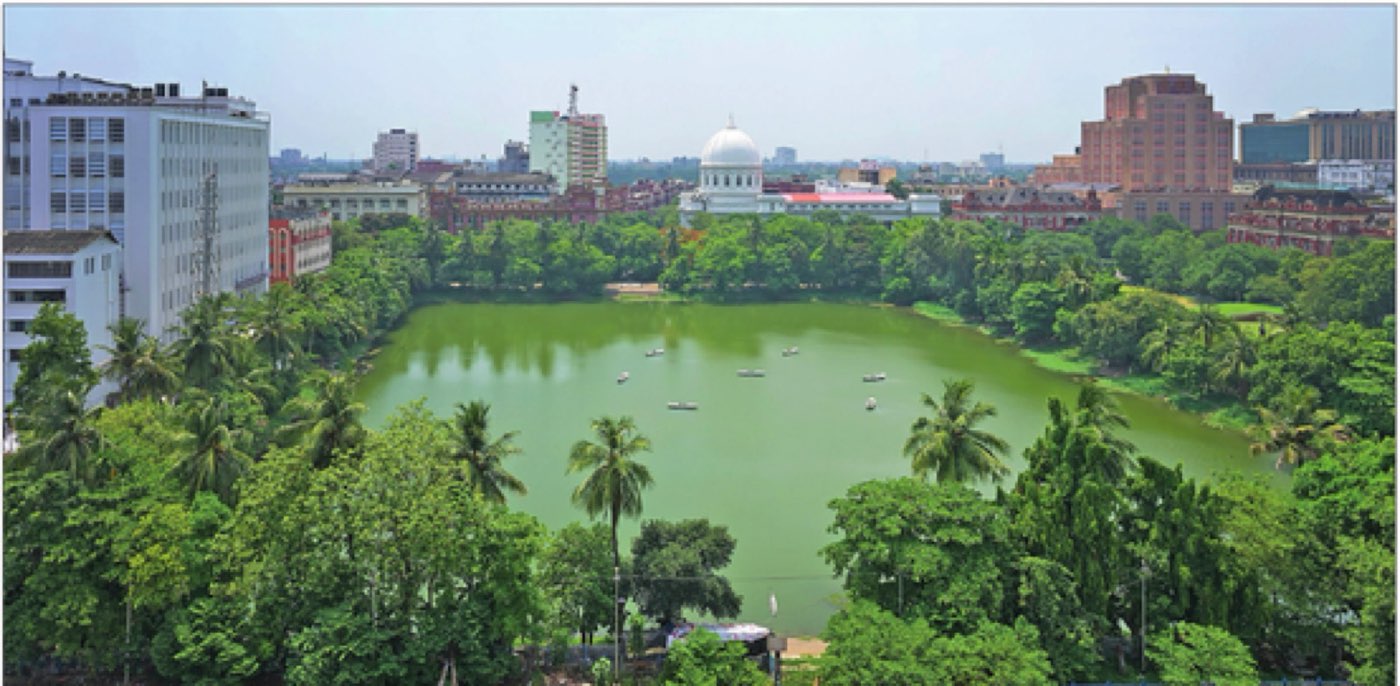
Office Para, Dalhousie
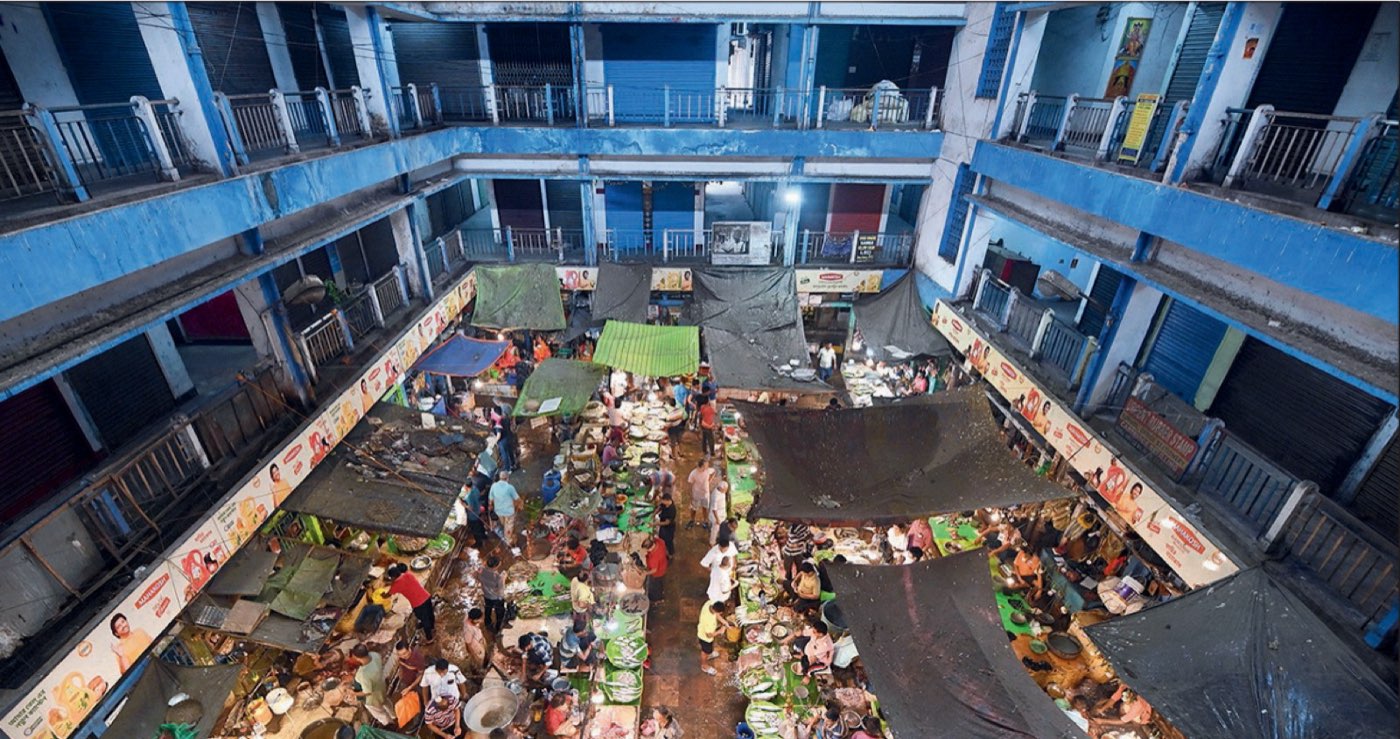
Shopping Para, Gariahat
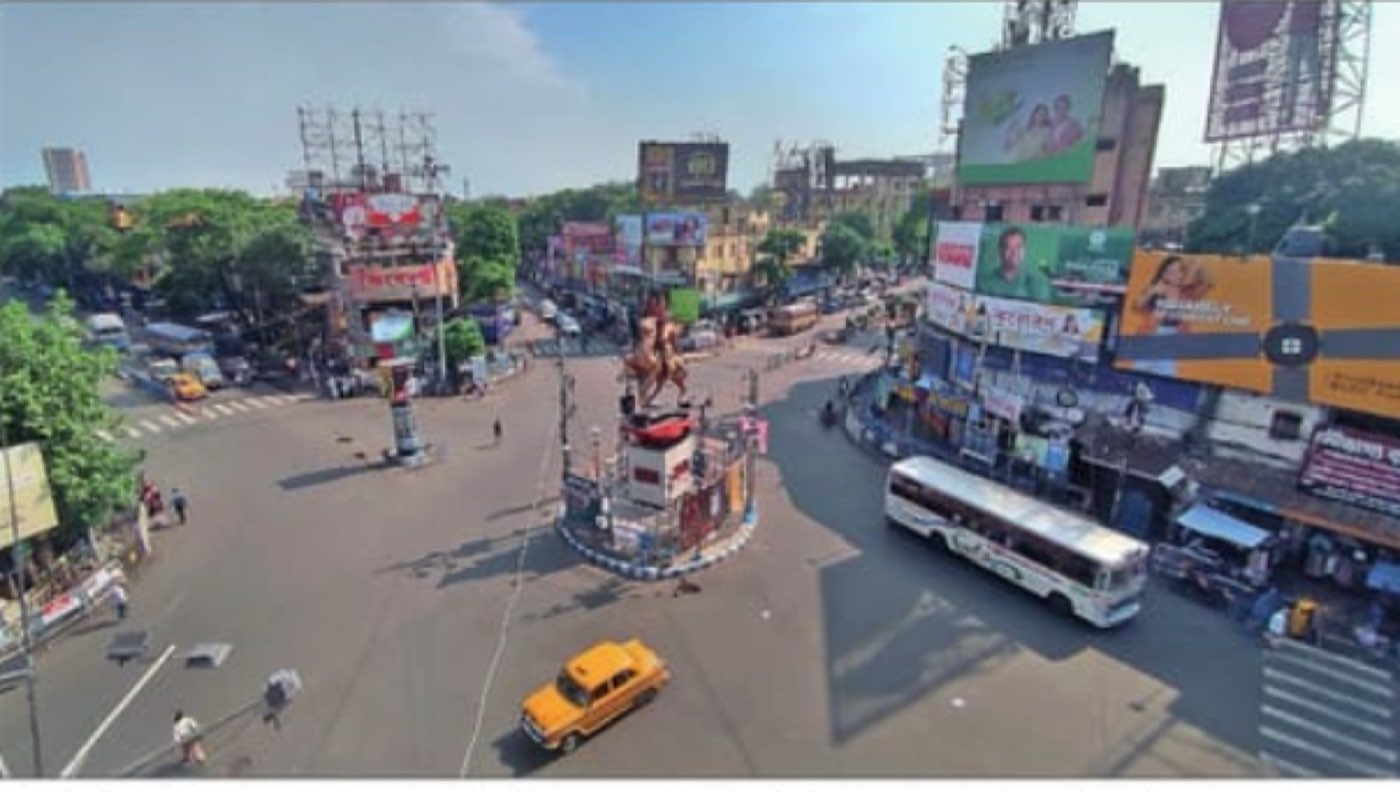
Panch Matha Para, Shyambazar
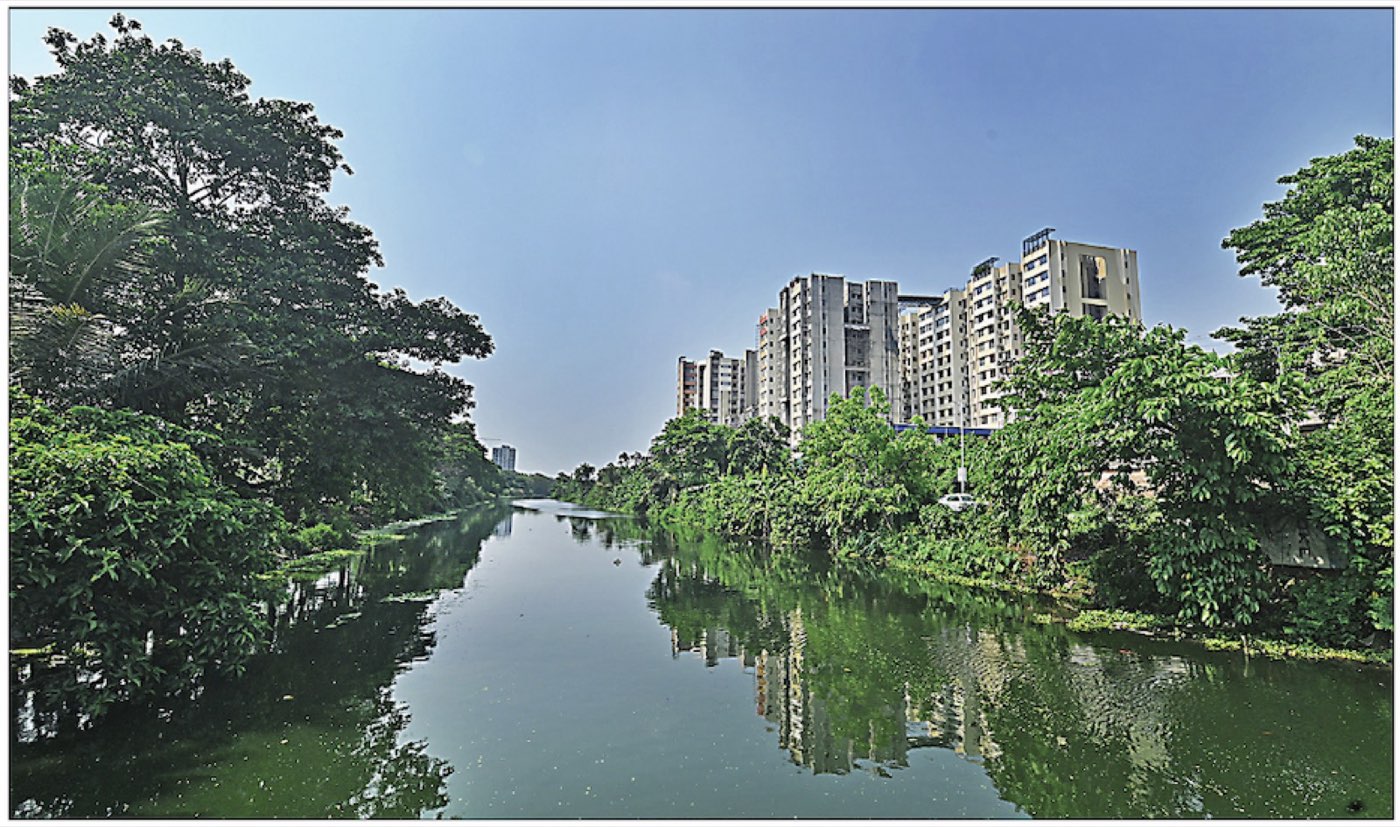
Sabuj Para, Southern Bypass
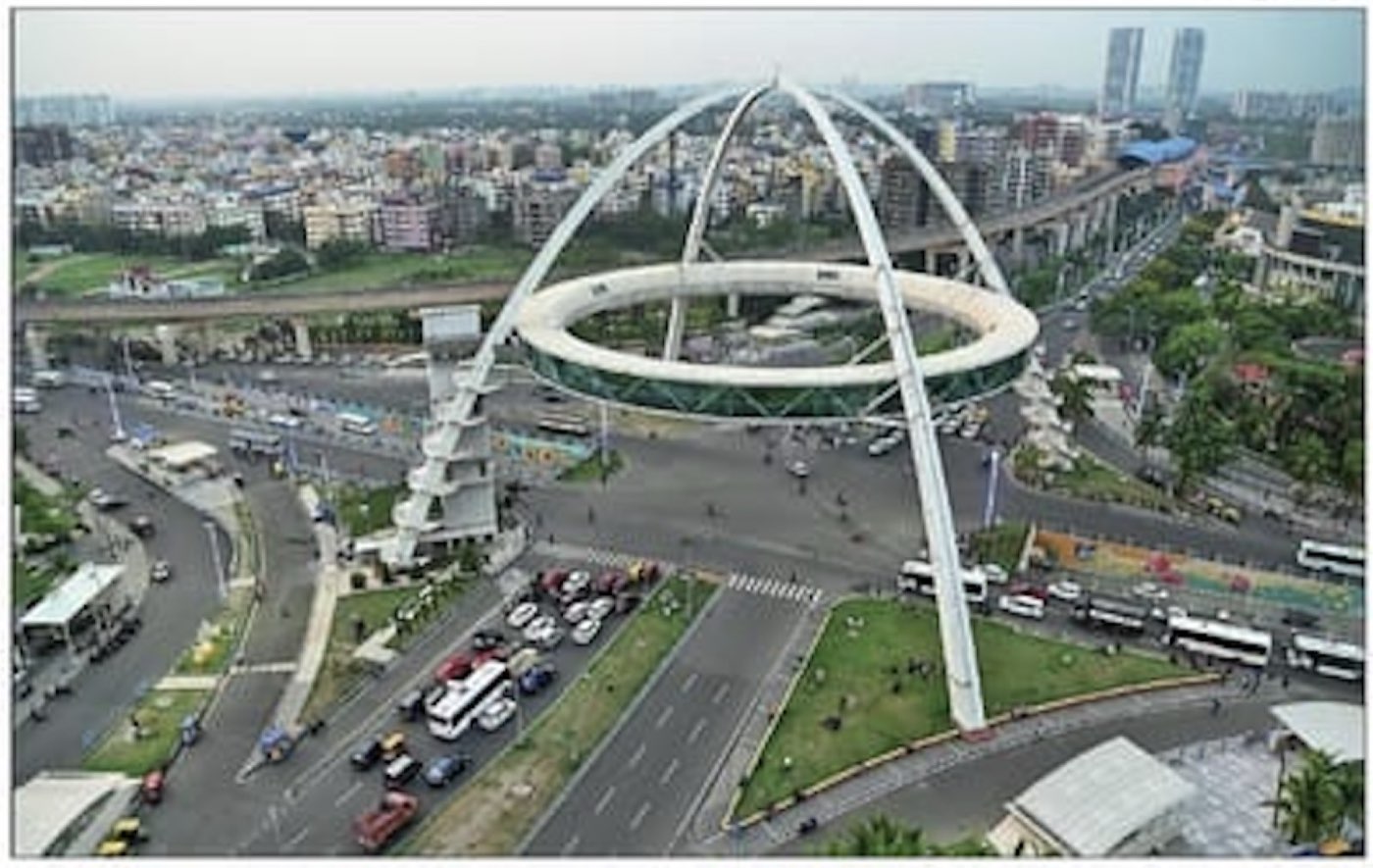
Natun Para, New Town
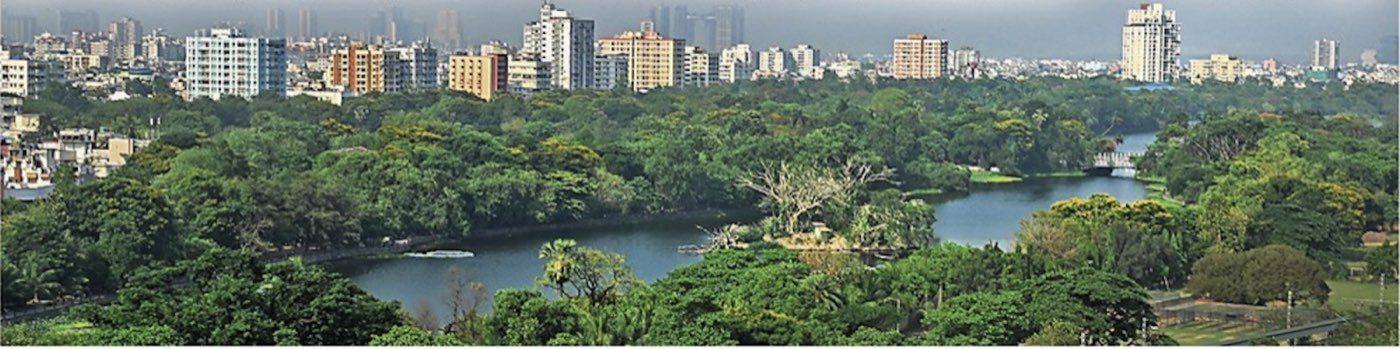
Lake Para, Southern Avenue
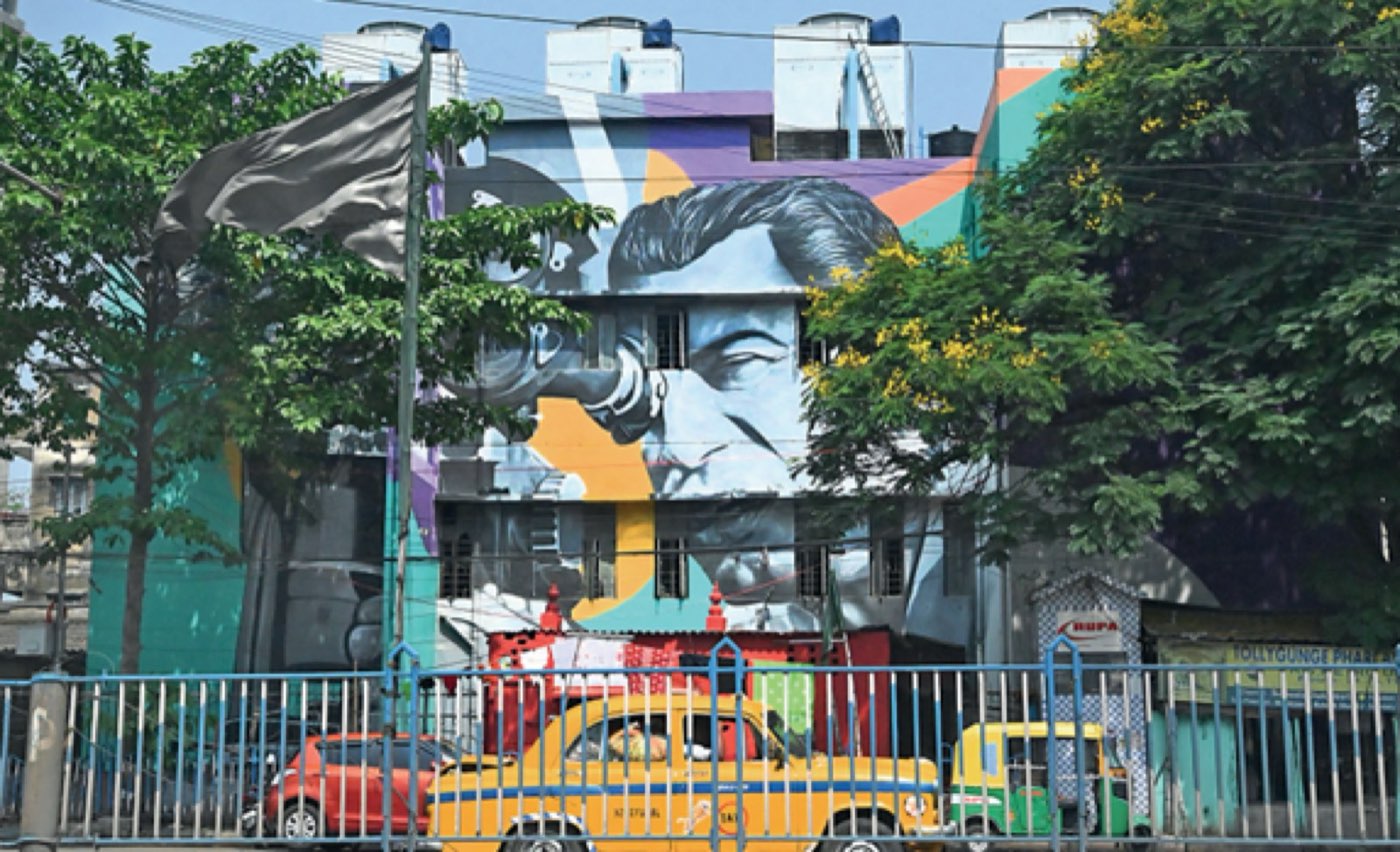
Studio Para, Tollygunge
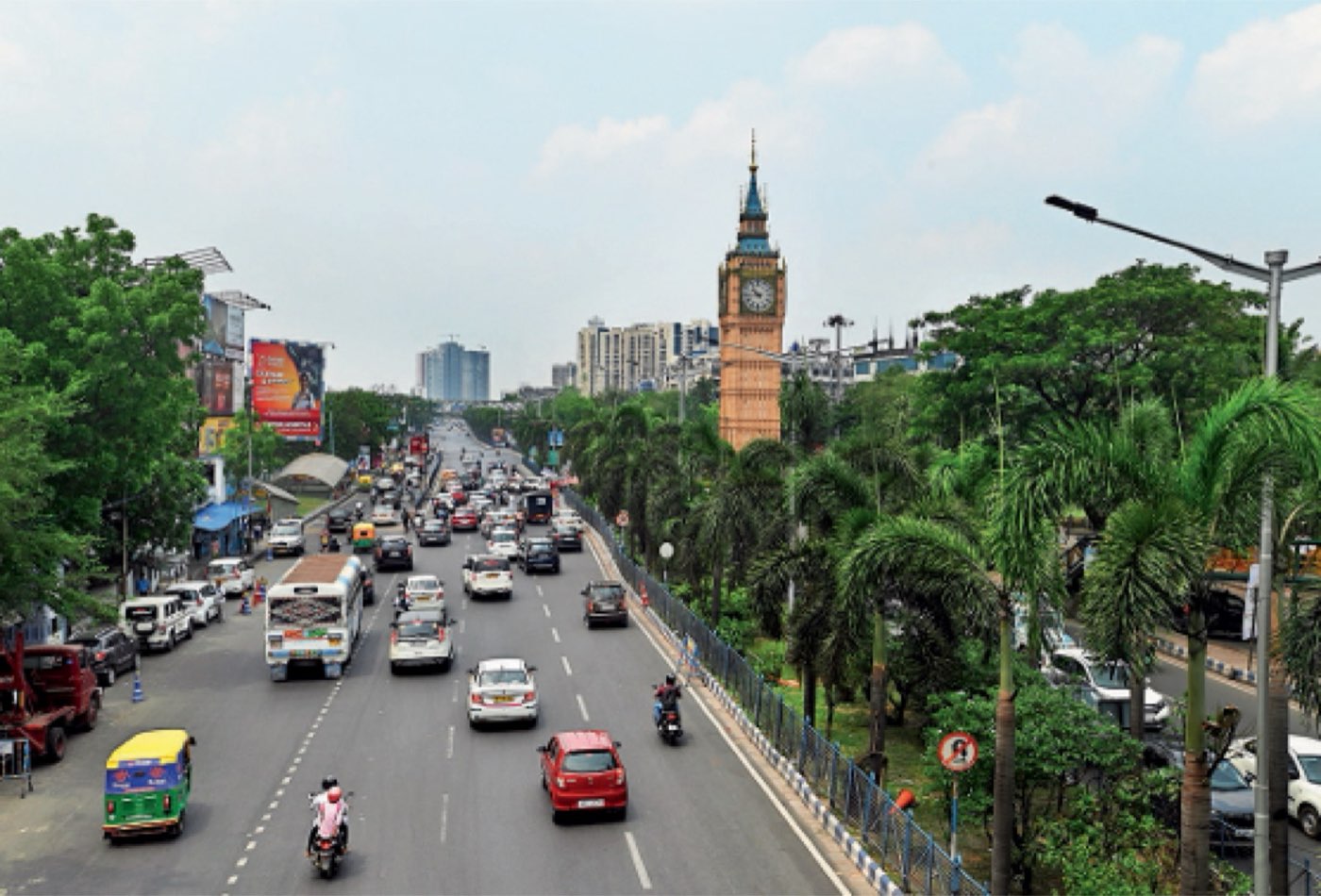
Big Ben Para, Lake Town
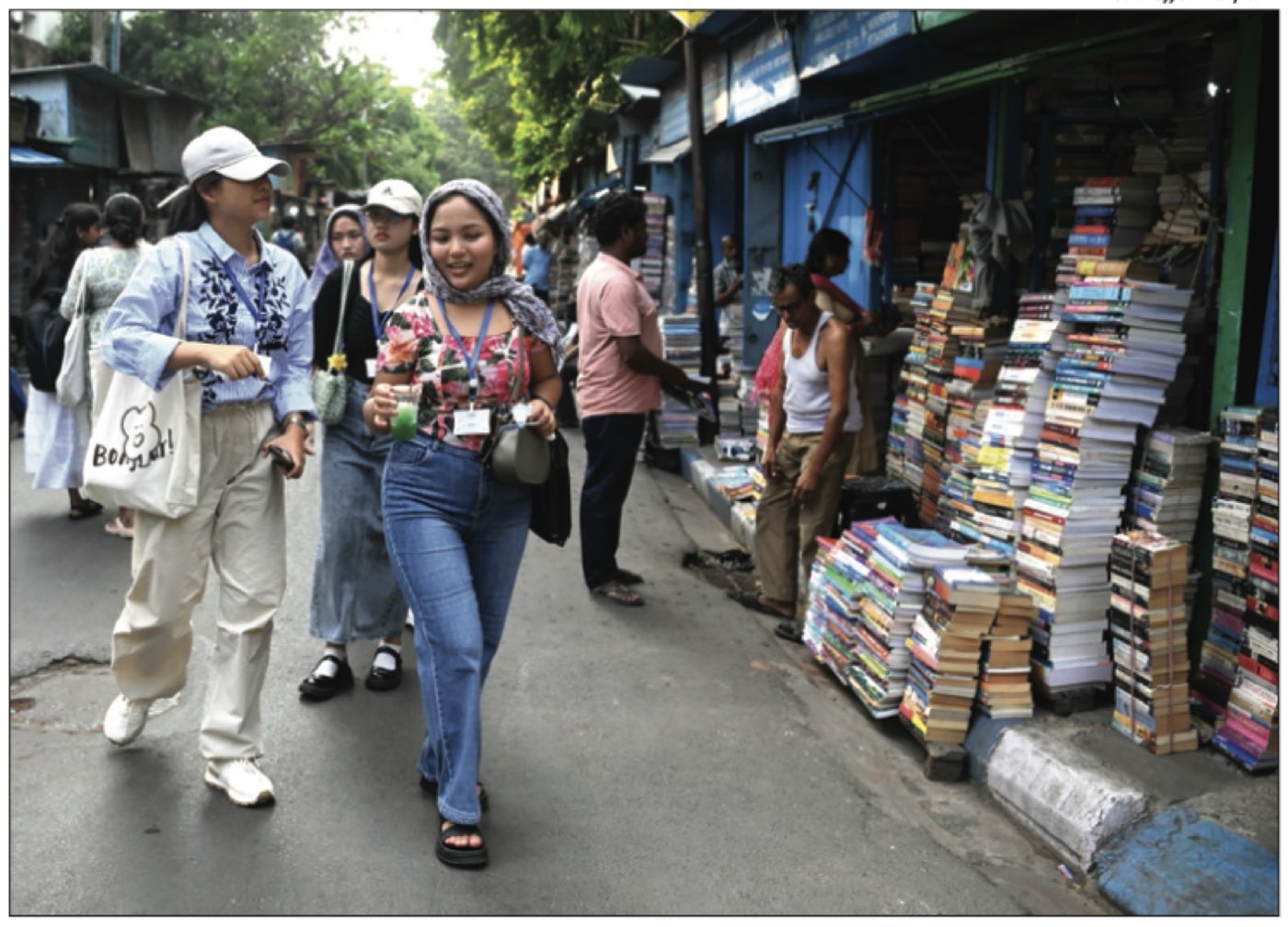
Boi Para, College Street
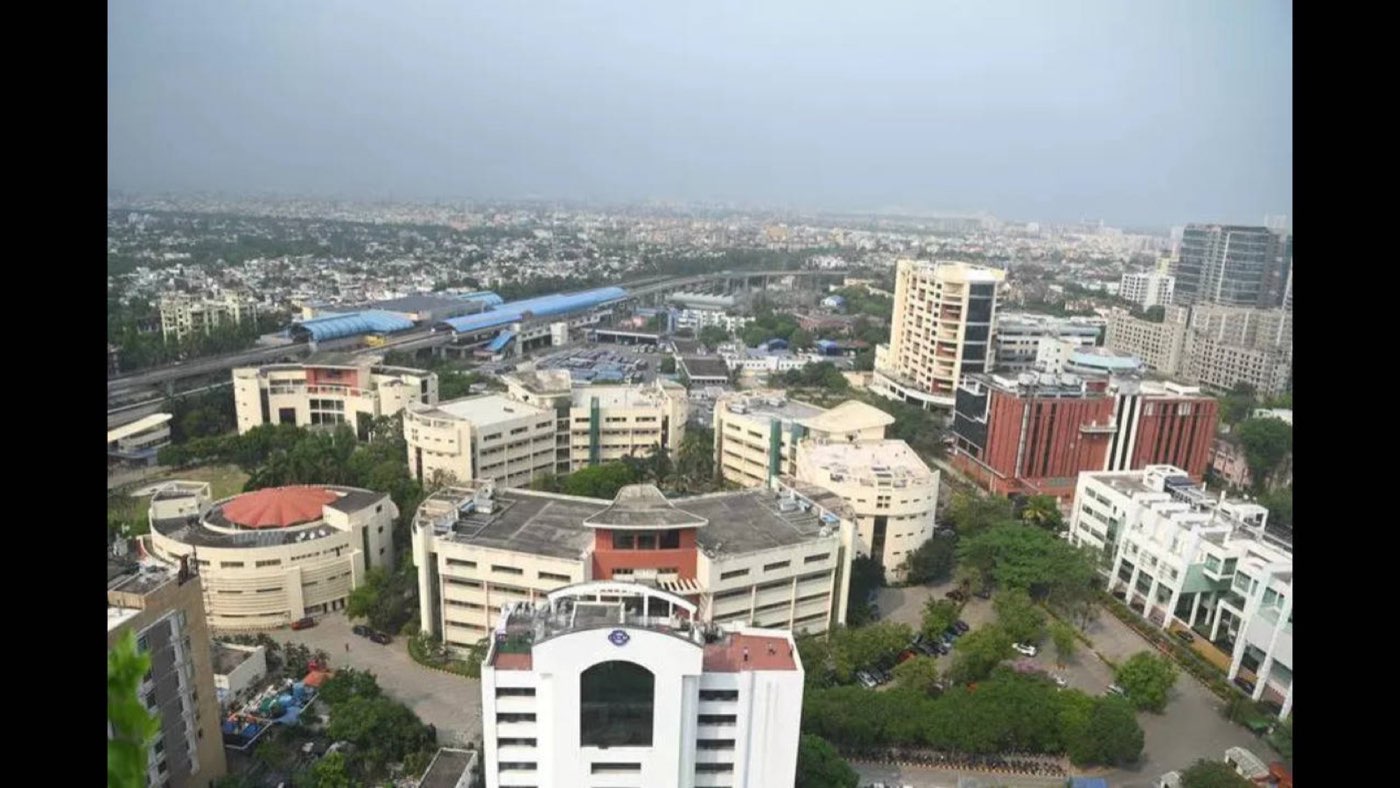
Tech Para, Sector V
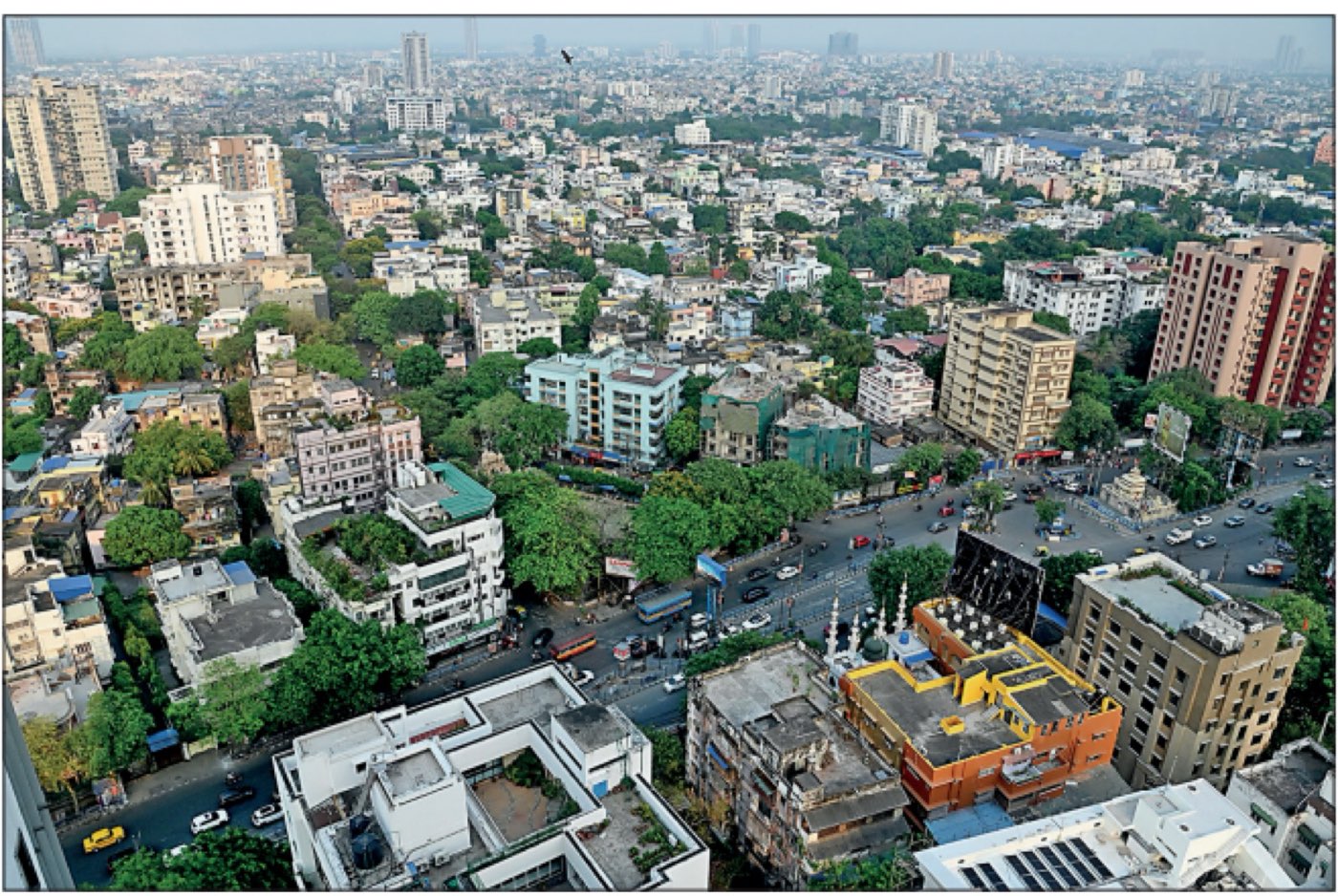
Posh Para, Ballygunge
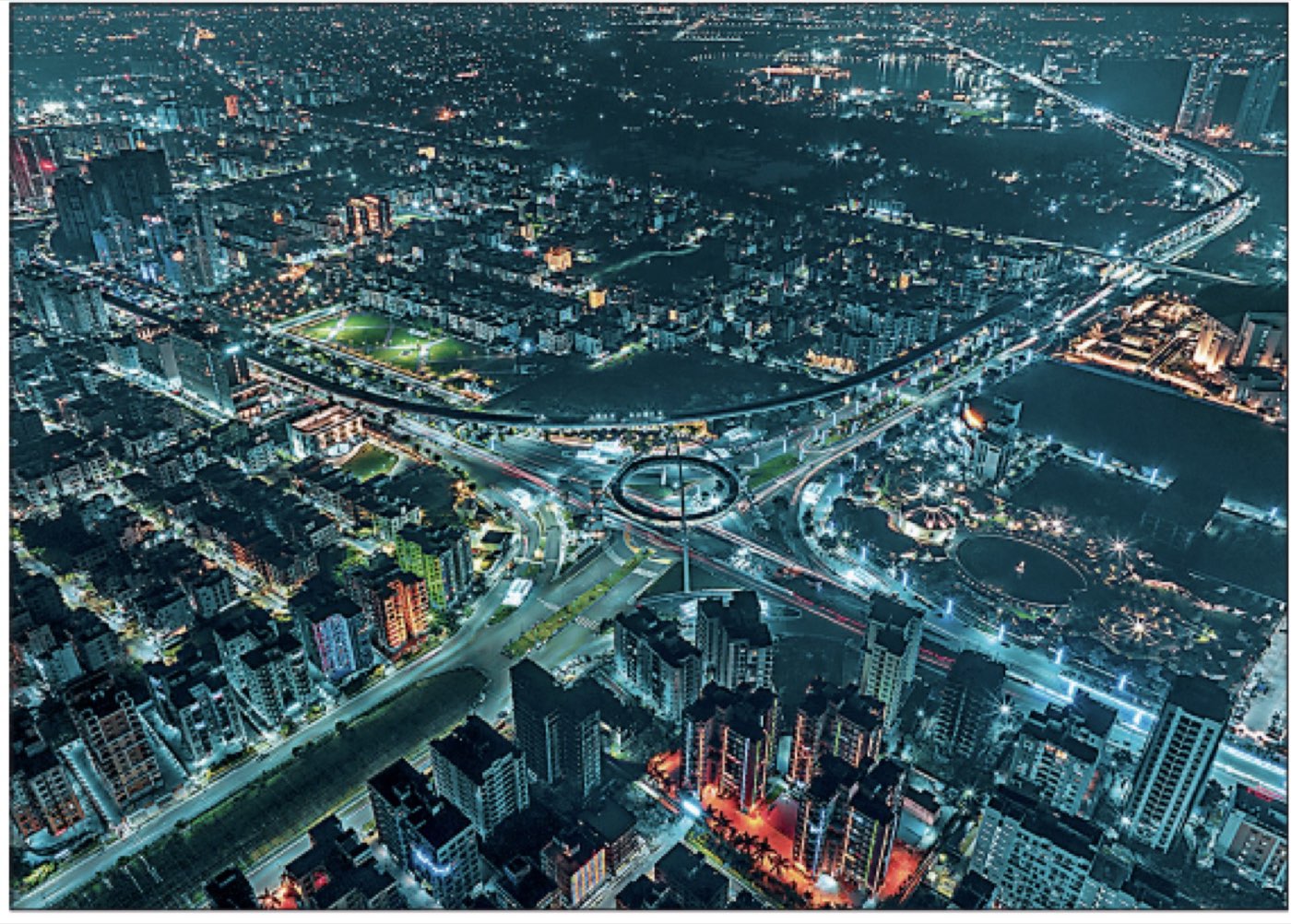
Amar Kolkata, Amar Para
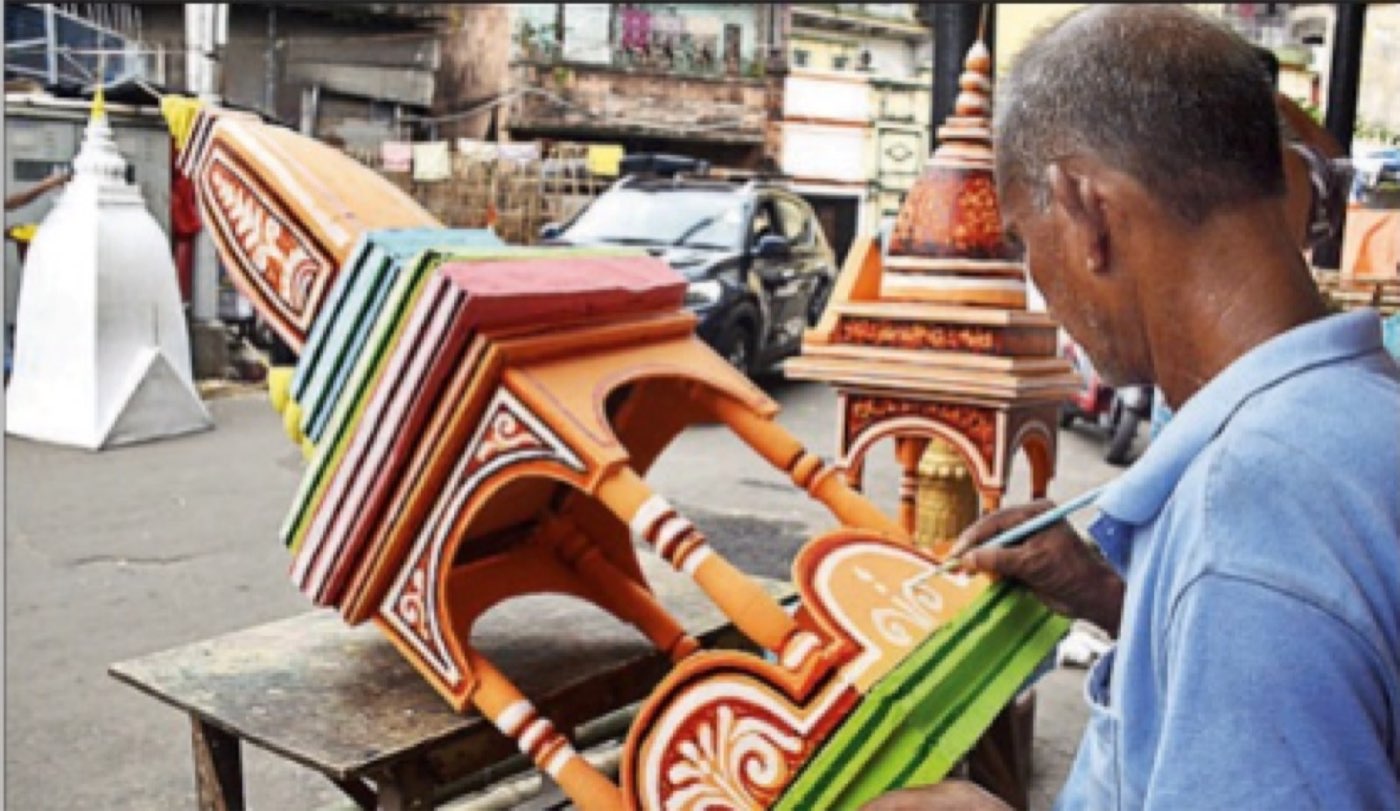
Rath Para